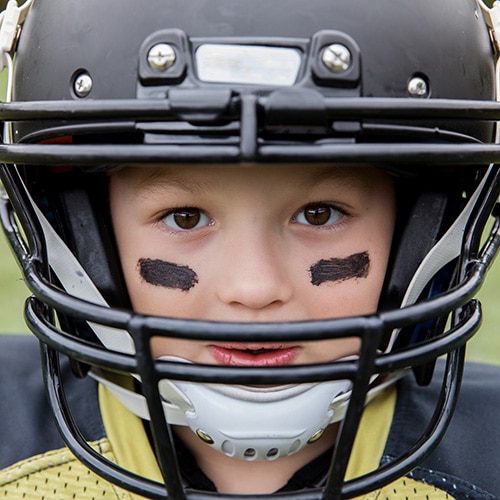
While the risk of injury shouldn’t deter children from playing sports, it’s important to be informed of the risks and to prepare to safely engage in any sporting activity ahead of time. Injuries to the teeth and mouth are common among athletes, and it is important and practical, however, to protect your child’s smile when they play sports. The aesthetic and health reasons here are considerable.
What Are the Most Common Dental Injuries in Sports?
Tooth Knocked Out
When a tooth is knocked out, the goal is to successfully save the tooth and re-implant it. When a tooth has been knocked out, it is important not to touch the root if possible. Do not wrap the tooth in anything and transport it to the emergency room in liquid. The best options are milk and saliva. Other saline liquids can be used, and water is okay as a last resort.
Time is of the essence, there is only a 30-minute window to re-implant the tooth.
Tooth Chipped Or Cracked
Dr. Shafiei will take X-rays and assess the severity of the chip or crack. For more severe injuries that expose the pulp or if the tooth’s nerve is affected, more complex treatments may be needed. But, if the chip or crack is minimal it can be fixed with a filling or bonding.
Tooth Displaced
If a tooth is moved, or displaced, due to impact or trauma it is important to see the dentist as soon as possible. Do not try to move the tooth back without professional help. For pain and discomfort before the dental appointment, you may apply ice to the area.
How can I prevent my kid from getting injured?
What Is Sports Dentistry and How Can It Protect My Child?
- Custom-fitted mouthguards for optimal protection
- Injury risk assessments for contact sports
- Emergency dental planning for teams or athletes
- Treatment and long-term monitoring of sports-related trauma
Frequently Asked Questions
Active kids and teens in San Diego love sports — from soccer and baseball to skateboarding and surfing. While staying active is important, protecting your child’s smile is just as essential. Below are answers to common questions local parents ask about sports-related dental injuries and prevention.
Should my child wear a mouthguard for non-contact sports?
Yes. Even in non-contact sports like basketball, gymnastics, skateboarding, or biking, accidental falls and collisions can happen. Many dental injuries occur during activities that are not traditionally considered “contact” sports. A properly fitted mouthguard adds an important layer of protection.
Are custom mouthguards better than store-bought ones?
Custom mouthguards made by a pediatric dentist typically provide a better fit, more comfort, and improved protection compared to over-the-counter options. Because they are designed specifically for your child’s teeth and bite, they stay in place more securely and allow easier breathing and speaking during play.
What if my child injures a baby tooth during sports?
Even though baby teeth eventually fall out, injuries should still be evaluated. Trauma to baby teeth can affect the underlying permanent teeth developing below. If your child experiences swelling, discoloration, or pain after an injury, it’s best to schedule an evaluation as soon as possible.
Can a sports injury affect braces or orthodontic treatment?
Yes. A blow to the mouth can damage brackets, wires, or even shift teeth during orthodontic treatment. Children with braces are strongly encouraged to wear a mouthguard designed to accommodate orthodontic appliances for added protection.
How much does a sports mouthguard cost in San Diego?
The cost can vary depending on the type of mouthguard and your dental insurance coverage. Some PPO plans may partially cover custom mouthguards, especially if they are recommended for medical or orthodontic reasons. Our team can provide an estimate before treatment.